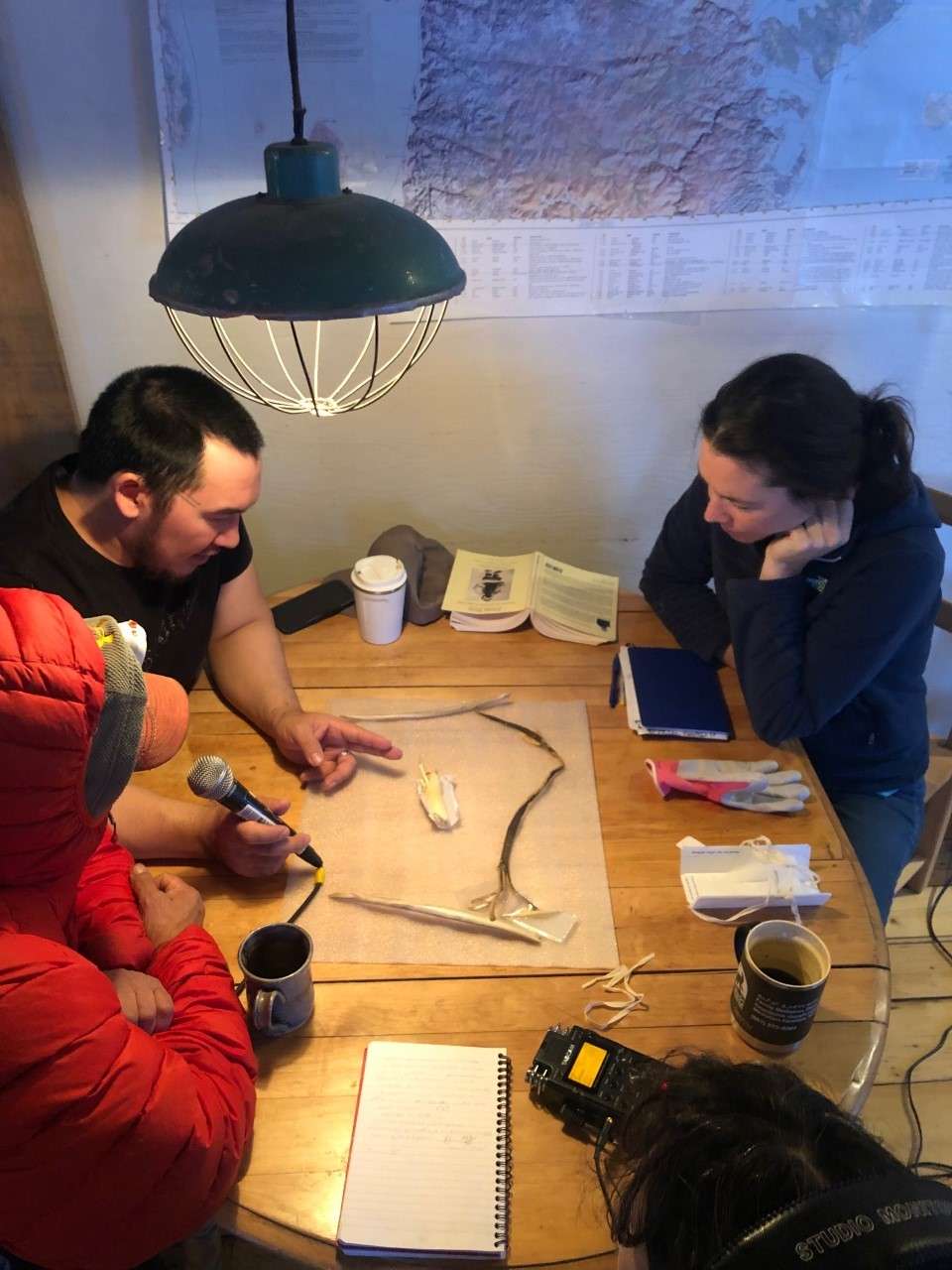
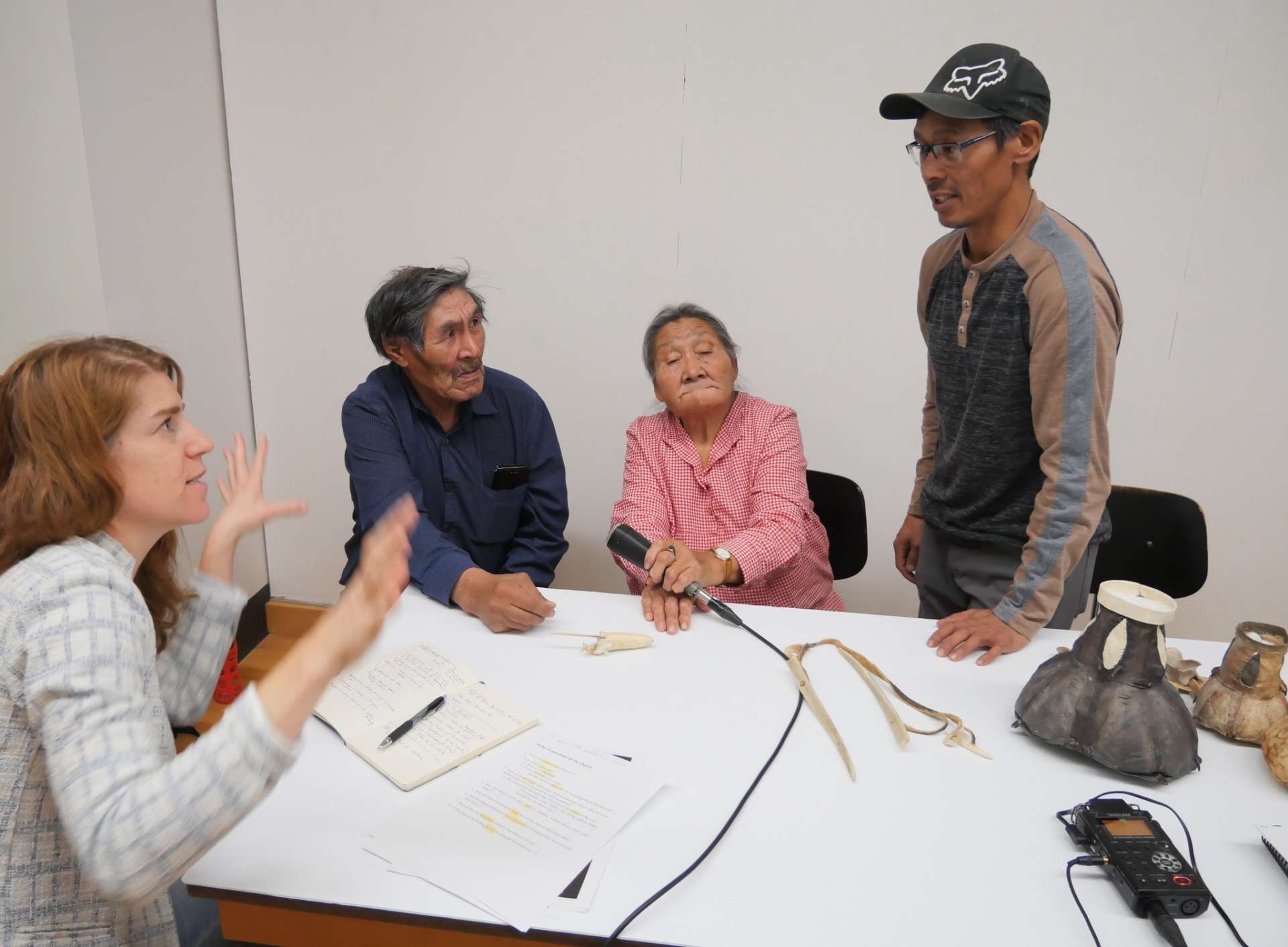
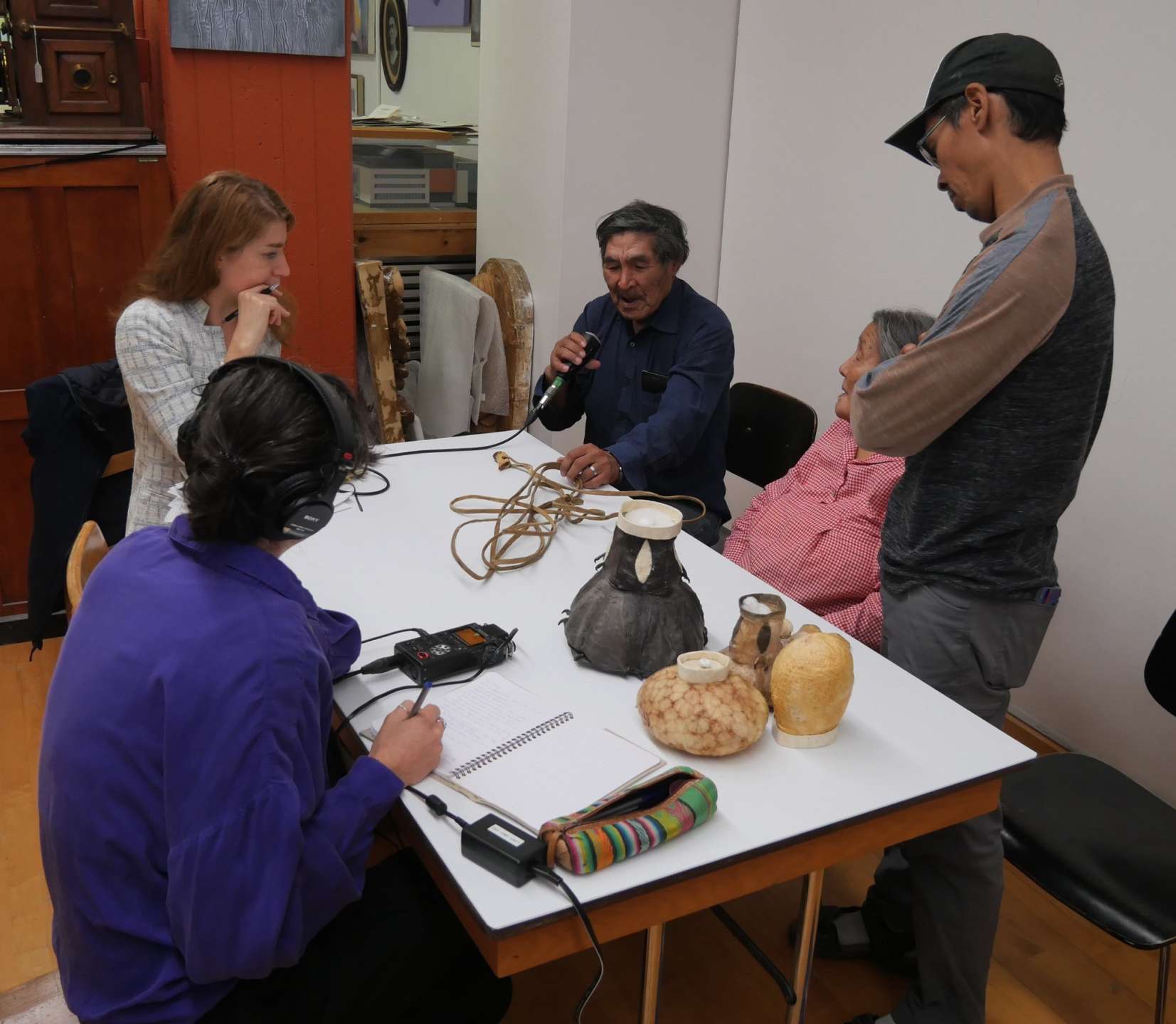
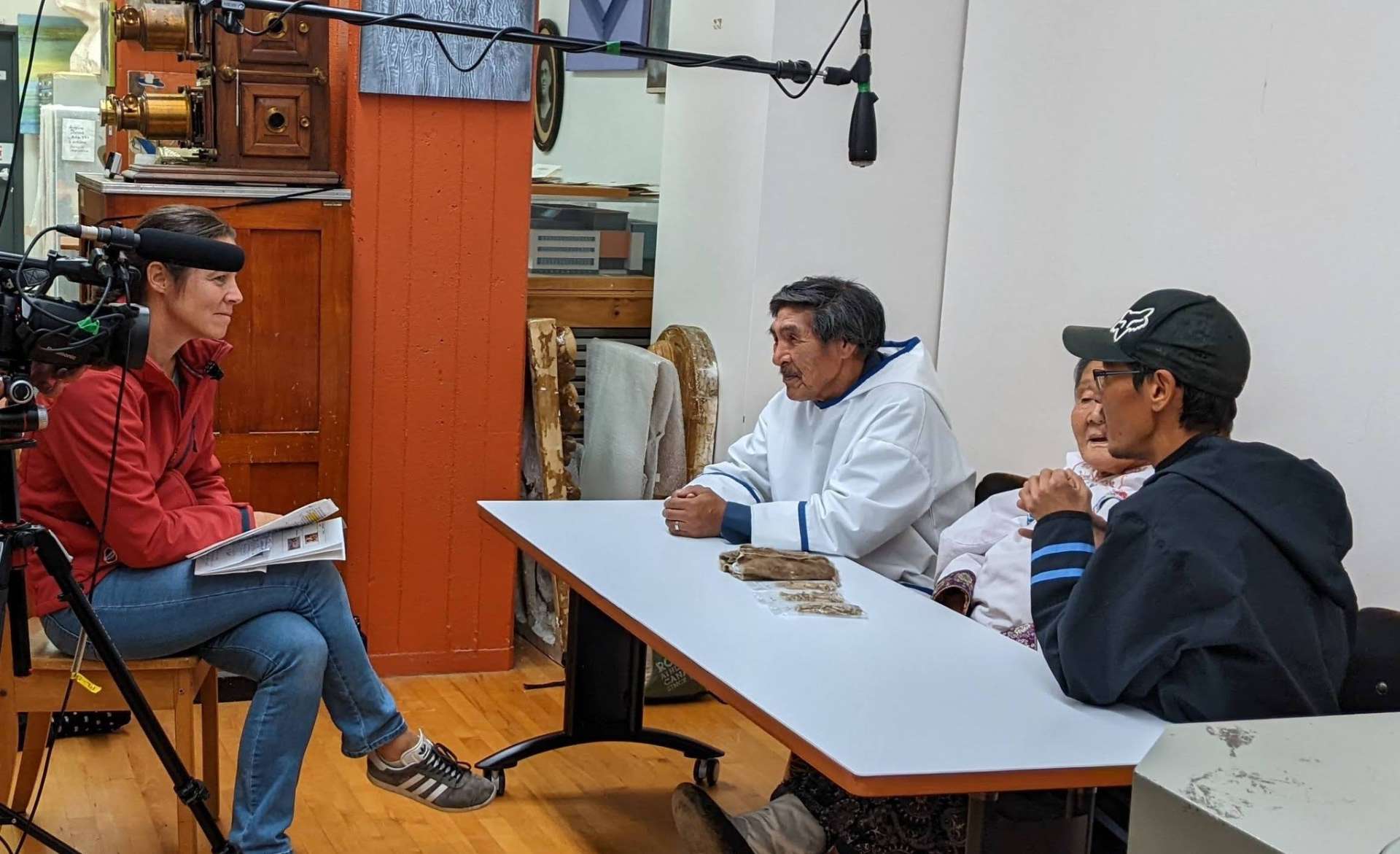
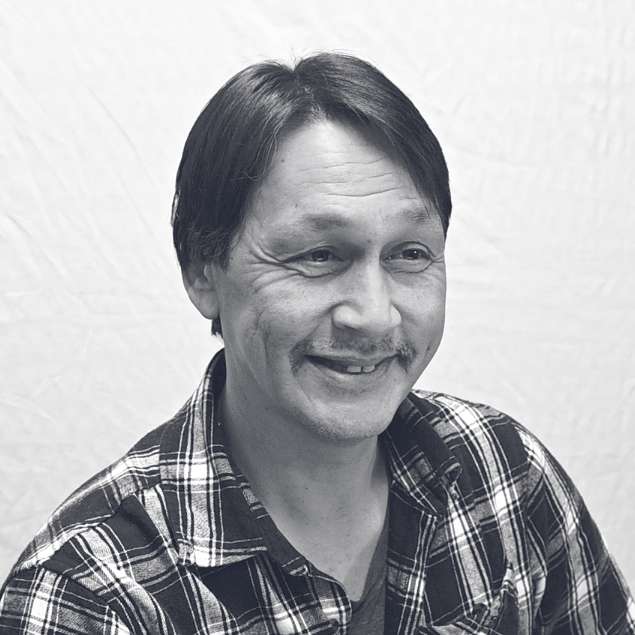
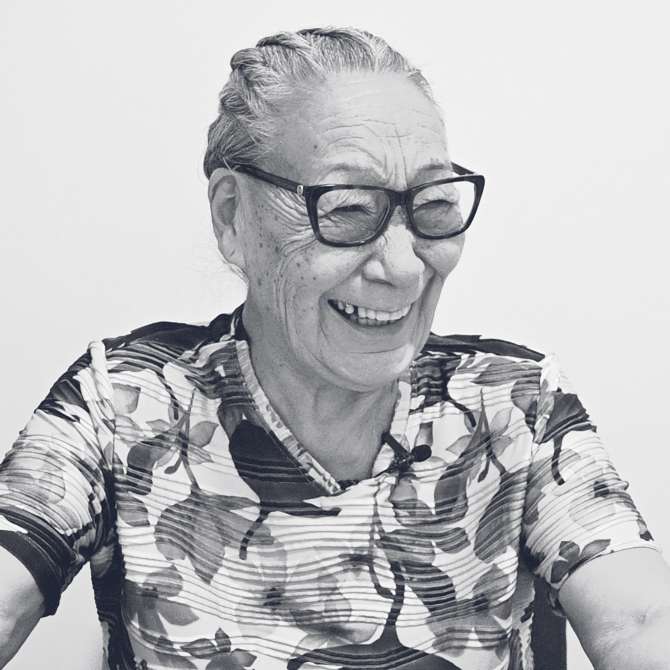
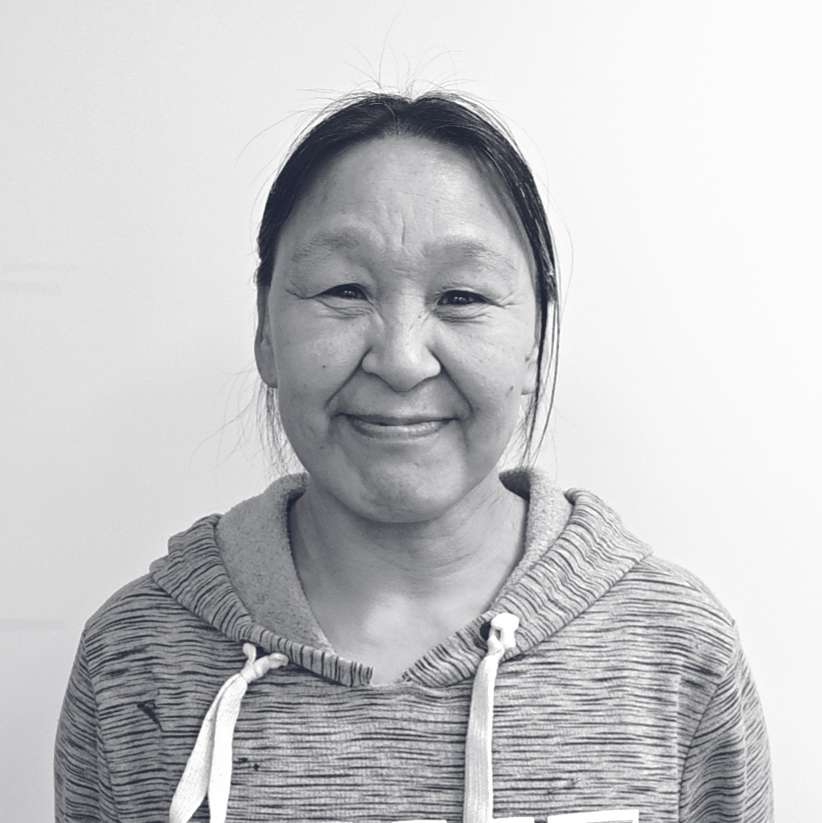
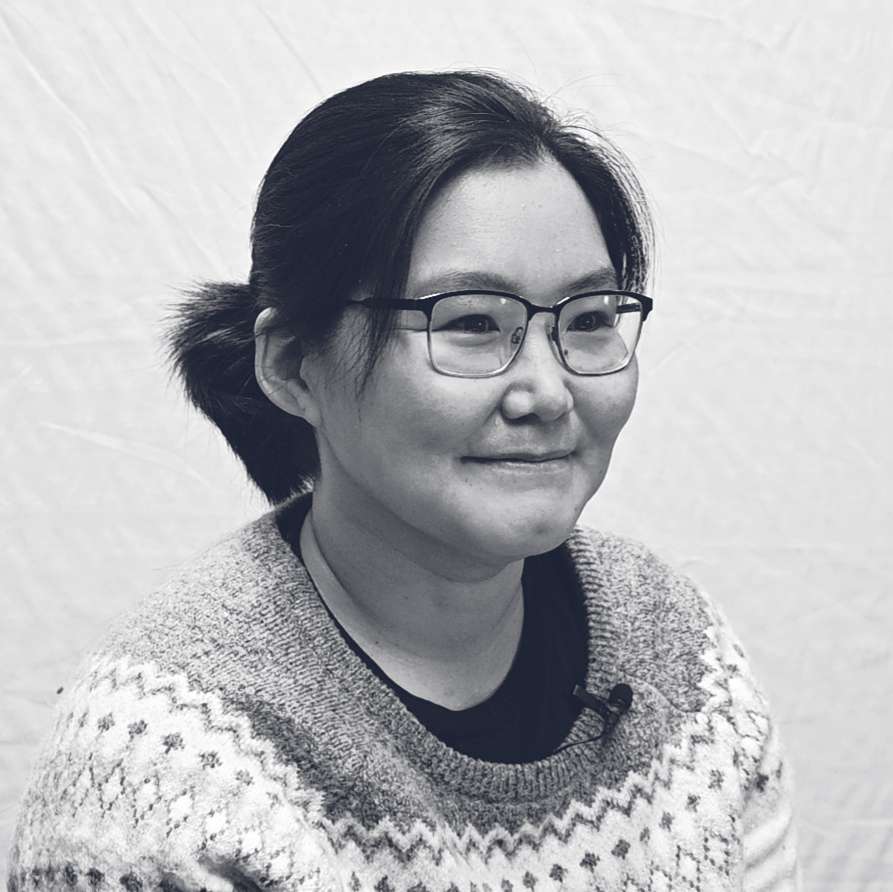
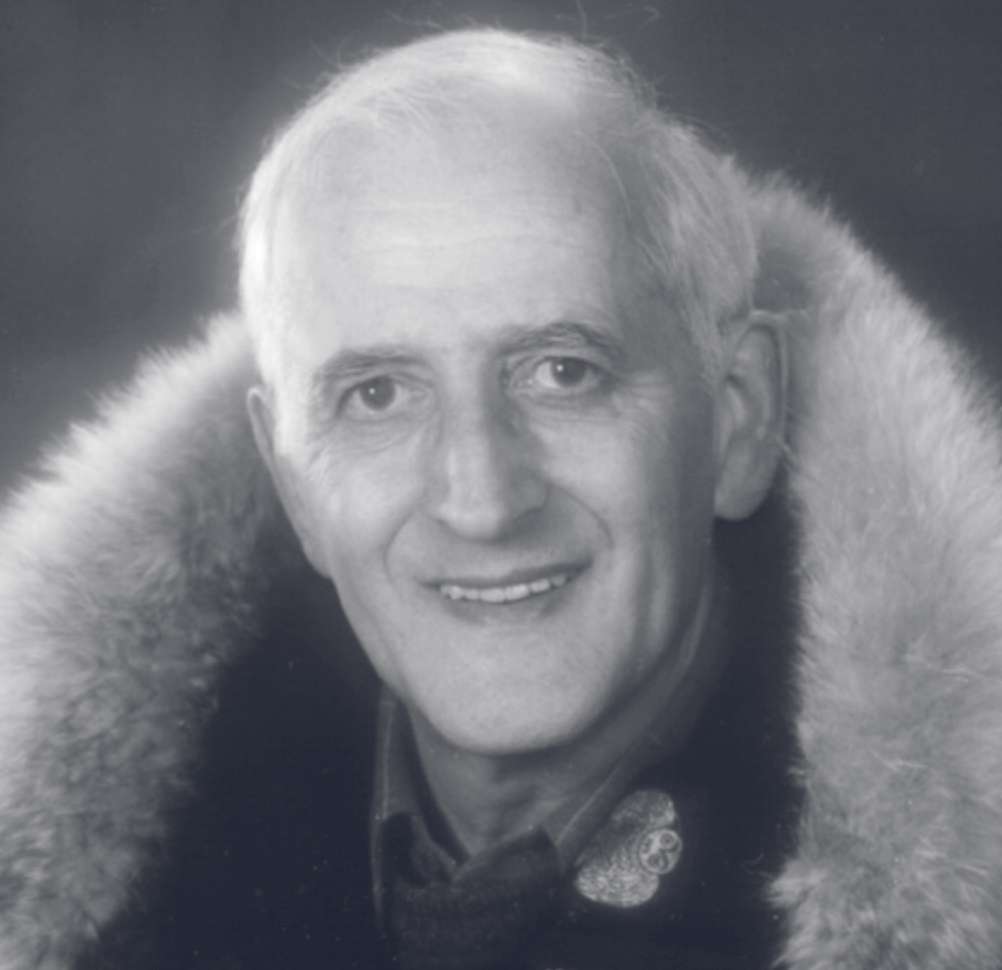
The virtual exhibition Inuit Worlds is the outcome of a four-year collaborative effort that brought together the village of Igloolik and Université Laval to discuss approximately fifty objects from the community. The objects were gathered in the 1960s by anthropologist Bernard Saladin d’Anglure, now a professor emeritus at Université Laval. They were the reason for multiple meetings that brought cultures and generations together, with the eventual aim of creating a digital teaching tool. The outcome was this virtual exhibition. It is meant for young people in Inuit communities, for university students and professors, and for the public at large. These audiences will, we hope, discover the richness of Inuit culture in Canada.
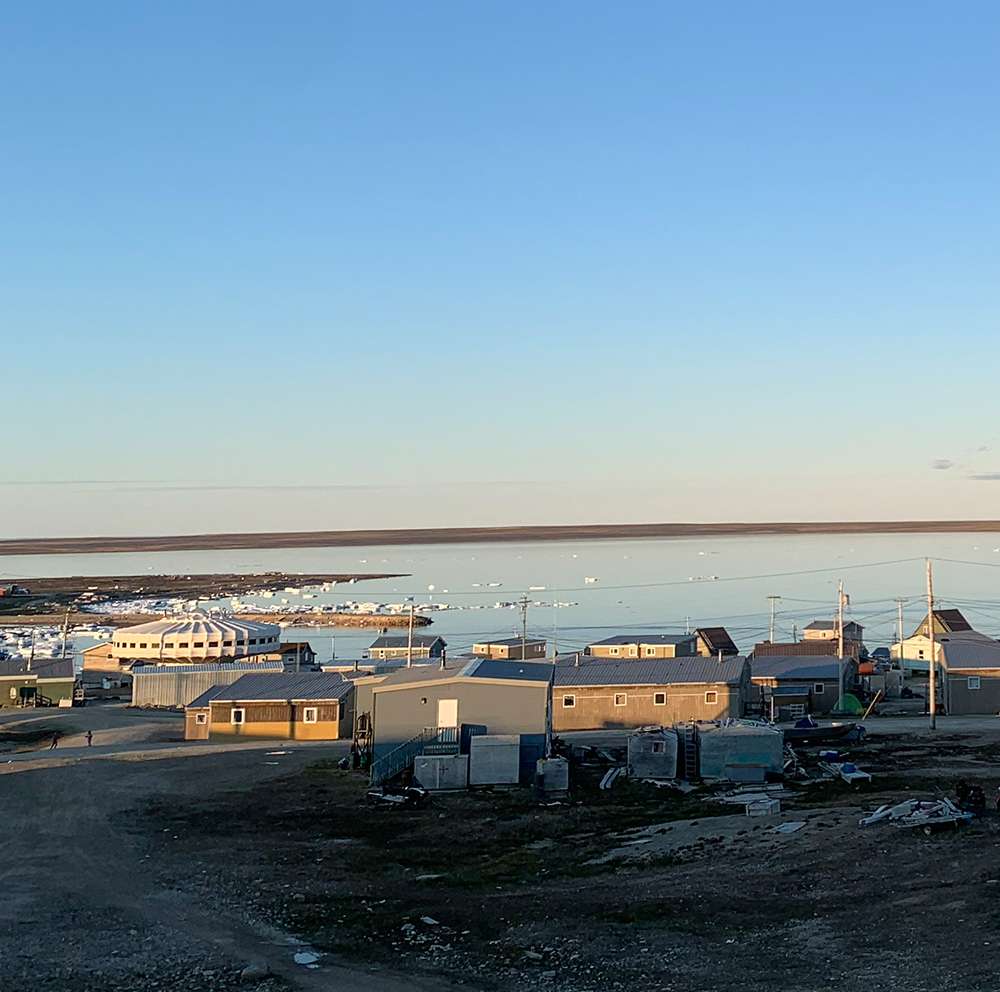
Composed of 354 objects from Nunavut and Nunavik, the Saladin d’Anglure collection attests to past ways of life and the rapid transformations of Inuit societies as they moved off the land and into settled communities. There is much educational value in the portrayal of everyday life shown by these artefacts and by copies of objects by local artists. Following the bequest of this collection to Université Laval in 2018, the university library and the anthropology department decided to promote it and increase its value for the public. They created the physical exhibition Mondes inuit, which opened in March 2019 at the library. Because this was a temporary exhibition, and because the collections staff at Université Laval were working actively to preserve these fragile objects, the library came up with the idea of creating a virtual exhibition on the same subject. Because Bernard Saladin d’Anglure had close ties with the community of Igloolik, and because so many of the objects came from this hamlet (a third of the collection), a team of anthropologists went on site in April 2022 to explore this idea and propose a joint project.
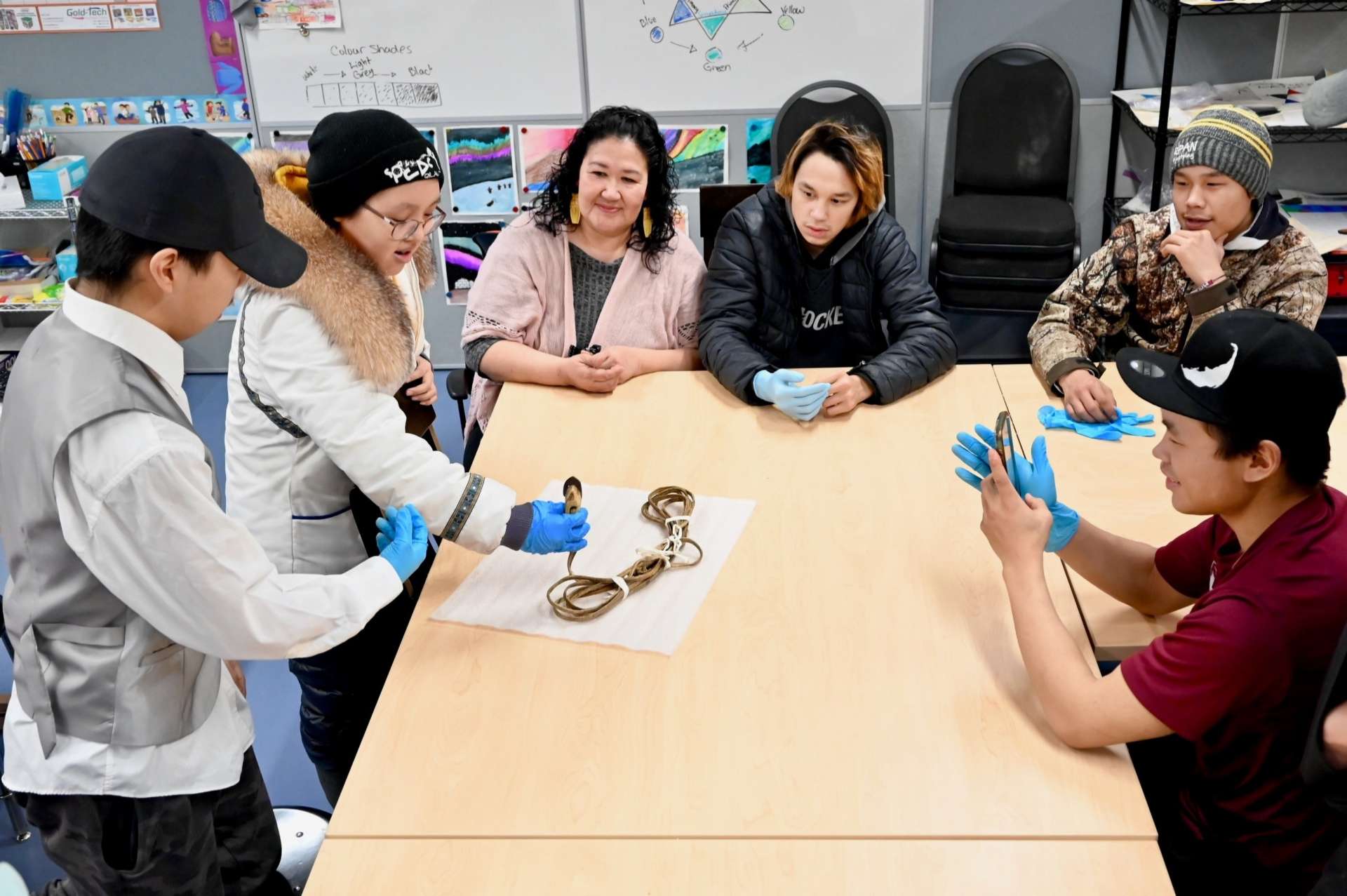
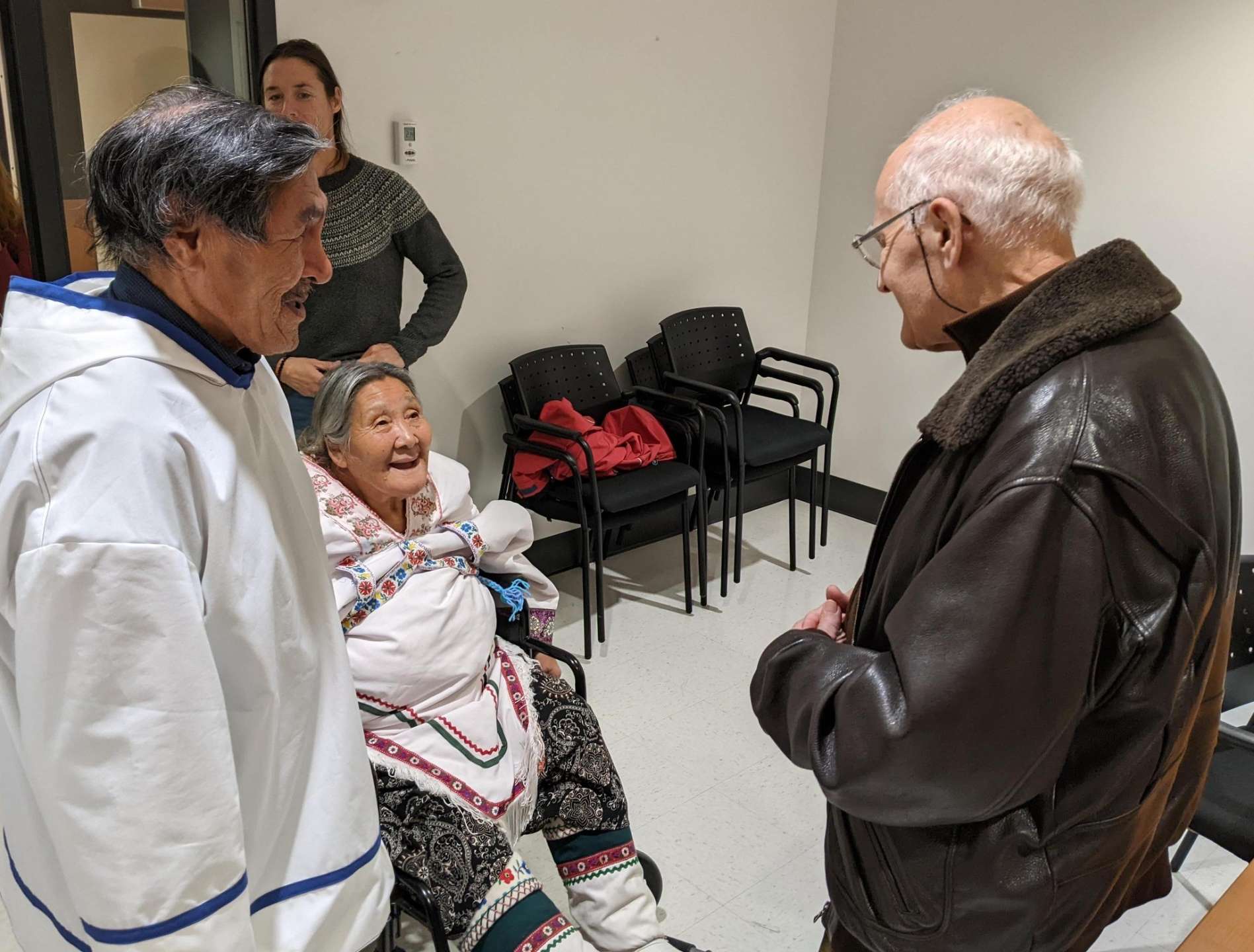
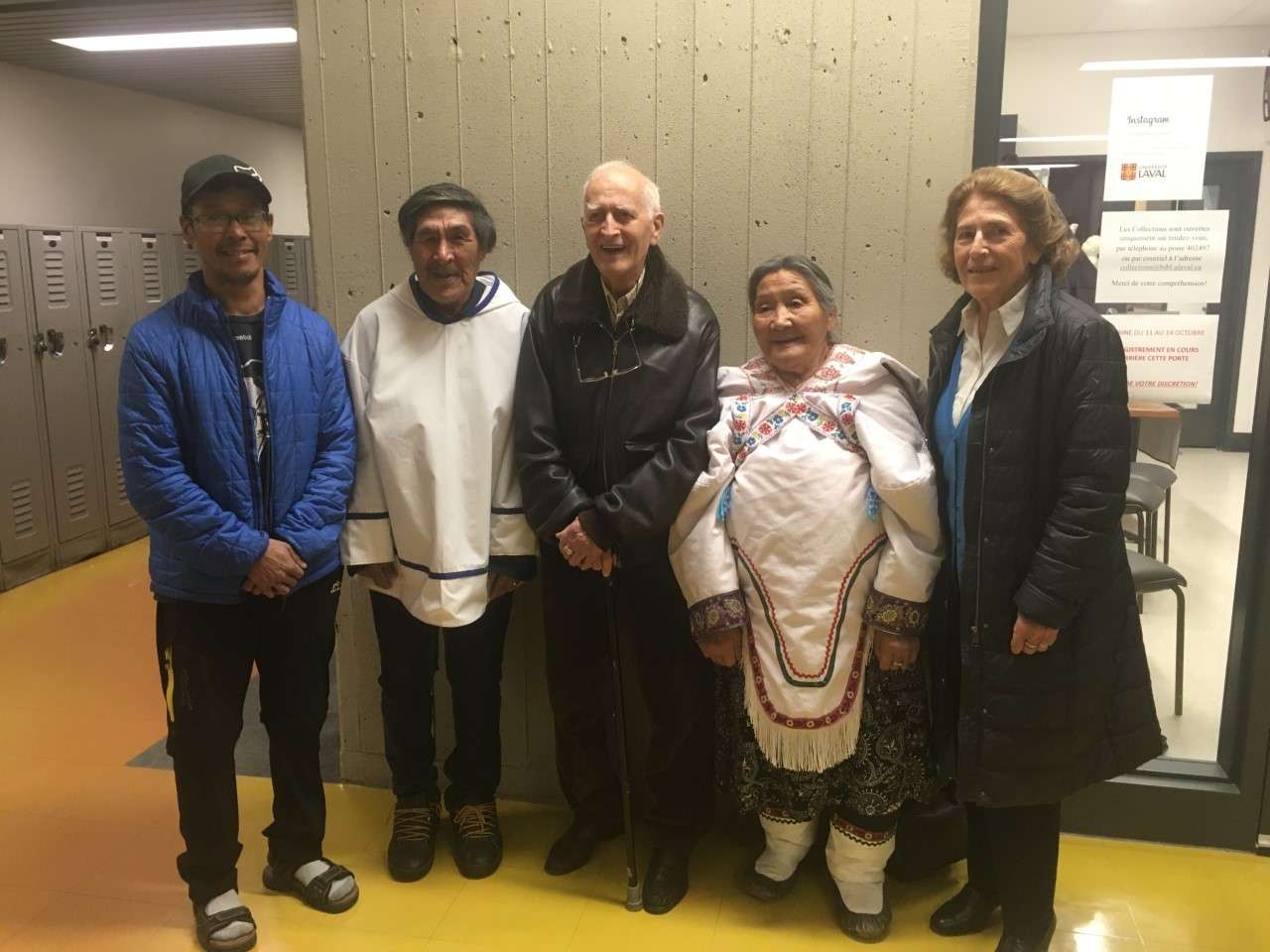
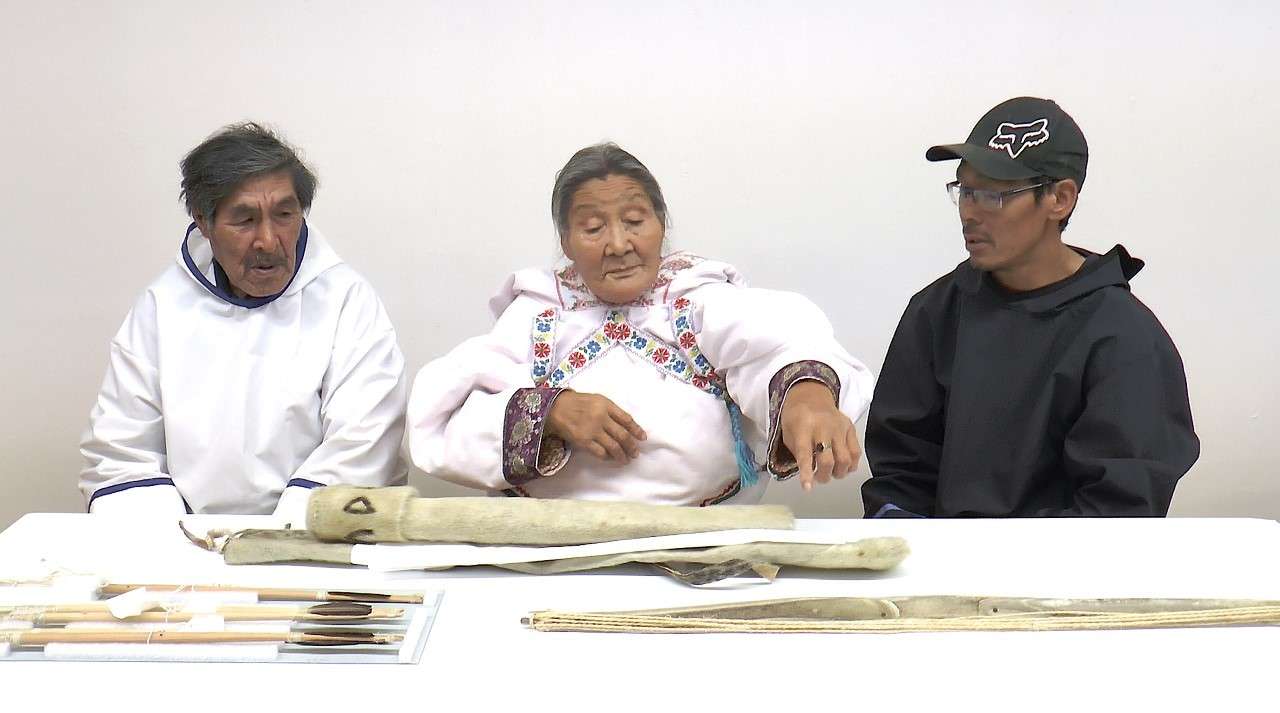
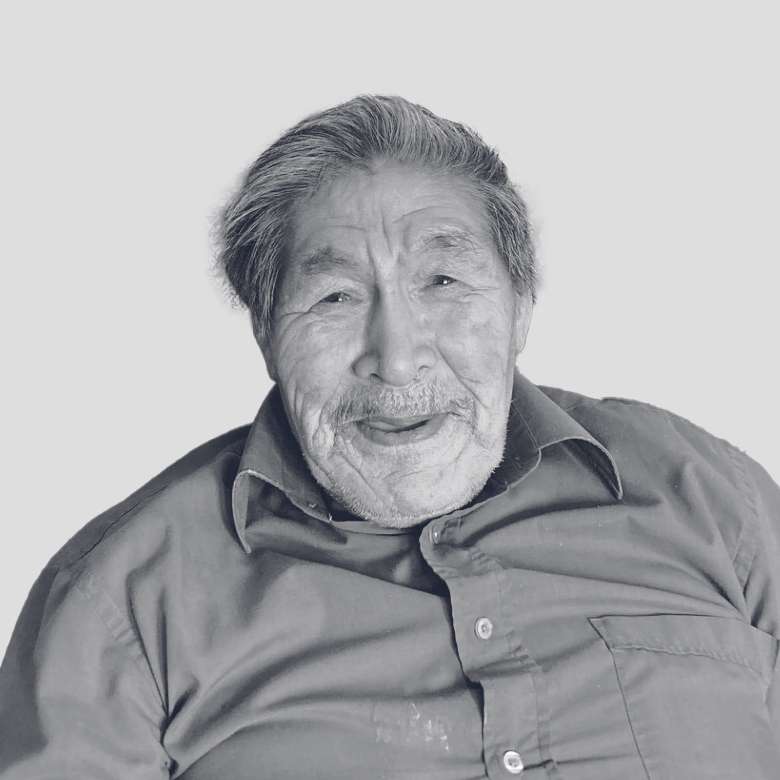
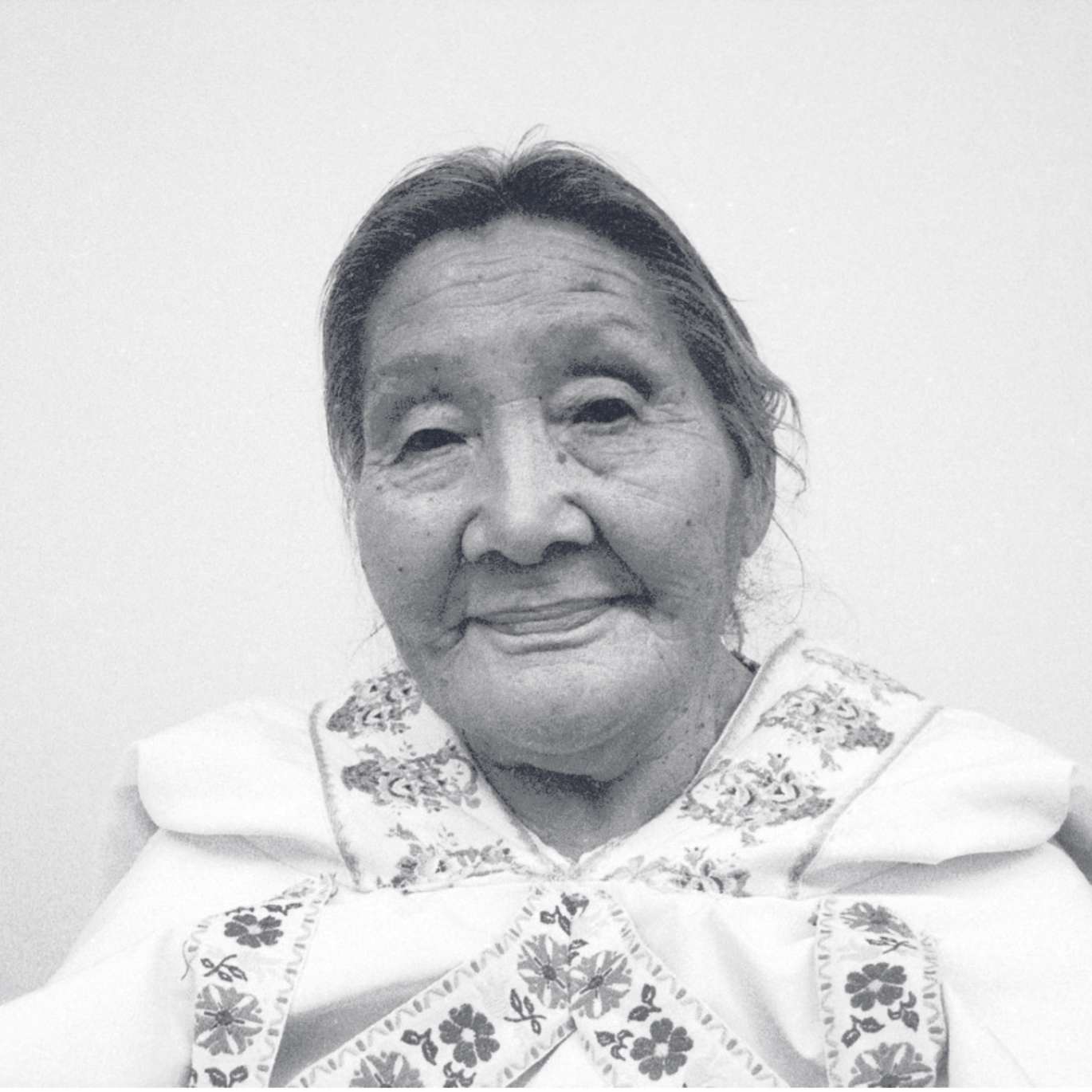
Preliminary meetings were first held in Igloolik. Then Nunavut Arctic College, through one of its teachers Jack Haulli, and Igloolik High School decided to get actively involved in the project. For them, the objects brought by the team were a beautiful opportunity to talk about the history and culture behind these items and to encourage the transmission of knowledge from elders to young people. School and community workshops were held, two elders from the community went to Quebec City to discover the collection and share their knowledge, and Jack Haulli took part in each project stage. Ultimately, five trips were organized between 2022 and 2025, three to Igloolik and two to Quebec City. Each trip led to fascinating meetings about the objects and provided information and accounts about how they were previously and currently used. The audio and video recordings of the meetings became valuable source materials for the virtual exhibition, being also given to Nunavut Arctic College for teaching purposes.
This tangible and intangible heritage is presented here as part of a broader, ongoing concern to honour Iglulimmiut creativity and intelligence. We wish to offer our heartfelt thanks to everyone who, through all these years, has directly or indirectly helped create this virtual exhibition. Our thanks go to each project member and to many others, especially Guillaume Saladin (circus troupe Artcirq), Sylvie Leblanc (Department of Culture and Heritage of the Nunavut government), Elizabeth Awa, and Mary Kunuk (language and culture teachers at Iglulik High School).